I used AI and studied 1000 notes looking to find an algorithm: a mechanism I could understand and use to grow my profile. This follow-up article is high-level insight on the data and the outcome of that analysis. The finding is simple and annoying:
When you’re a new writer, you are your own algorithm
That single realization is what led to the analogy below
Phase 1: You Open the Shop
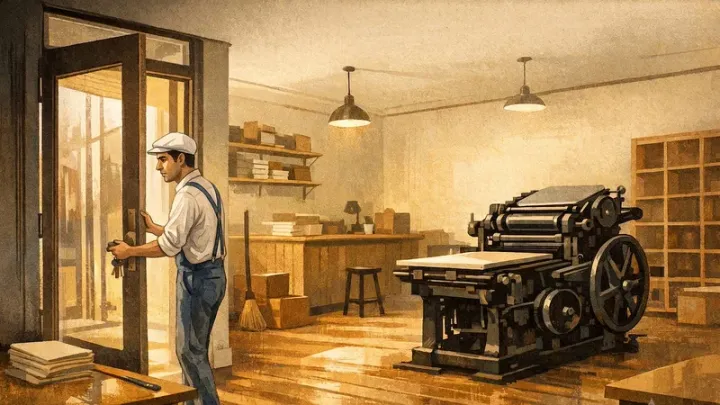
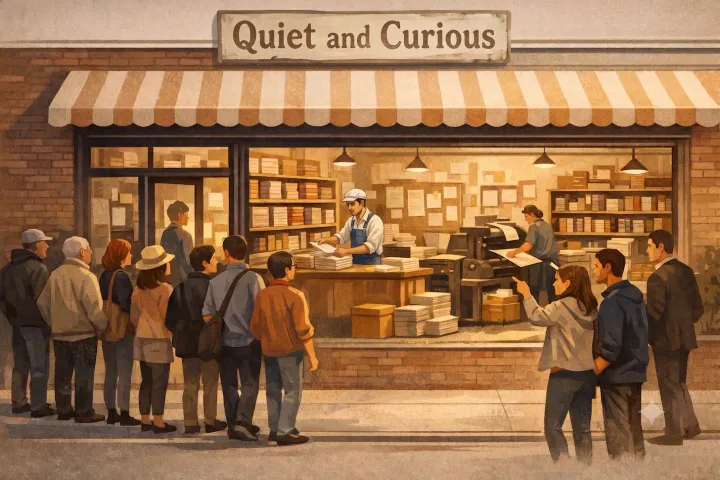
A real print shop needs a lease, a press, and week of setup before a single page rolls off the machines. Substack skips all of that. Your newsletter is a turnkey print house. Substack provides the premises: a login, a blank page, and an unlocked door. Your job is the fit-out.
Phase 2: You Stock the Shelf
You write, you publish and your piece lands on the shelf.
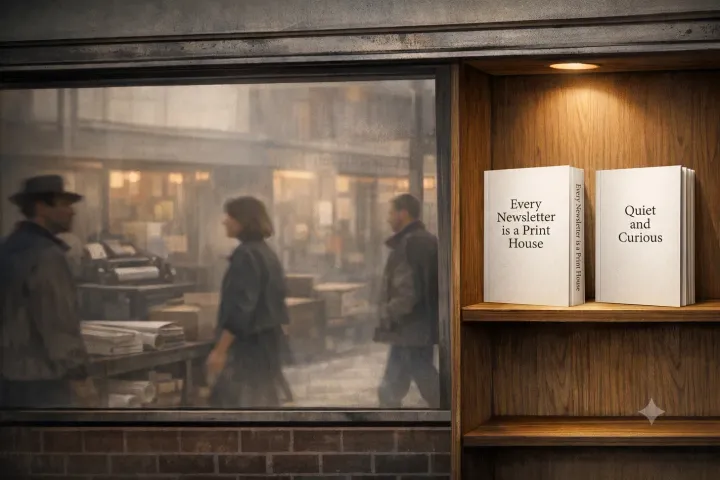
Picture the actual shelf: sitting there under the light, spine facing out, waiting. People walk past storefronts every day without their eyes catching on any one window. Publishing the piece puts it on the shelf. It doesn’t bring a single foot through the door.
Phase 3: You Stand Out Front
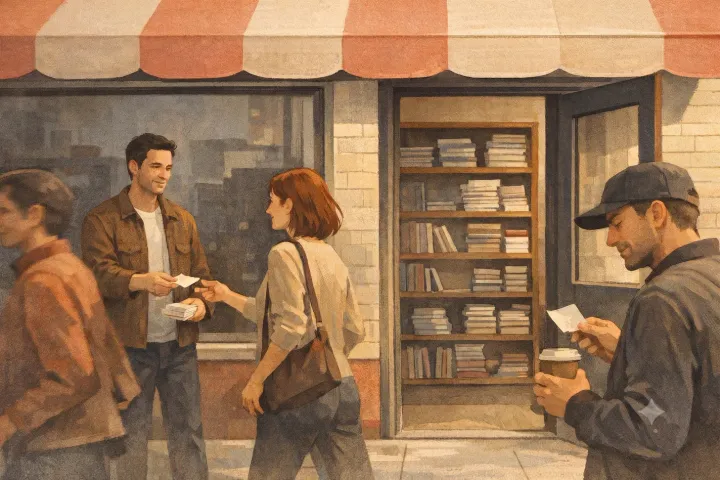
So, you step outside and stand on the pavement. That’s what a Note is. It’s like making eye contact with someone walking past and getting a nod back. That’s the whole interaction: you get noticed, and because you’re standing right in front of the shop, they glance past you and see it too. Maybe they walk in.
At this phase, every visitor arrives because you were physically out there. Stop standing at the door and the foot traffic stops with you.
To understand this, I tested it directly.
A clear timing effect appeared only for the largest account in the dataset I analysed. A permutation test comparing posting time with reactions was significant for that account (p= 0.001; 849,000 subscribers). Every smaller account tested showed no detectable boost or penalty tied to posting time.
The platform isn’t yet doing much distribution on your behalf; presence is the main lever you have, and Notes are how you create it.
Phase 4: They Start Coming Back on Their Own
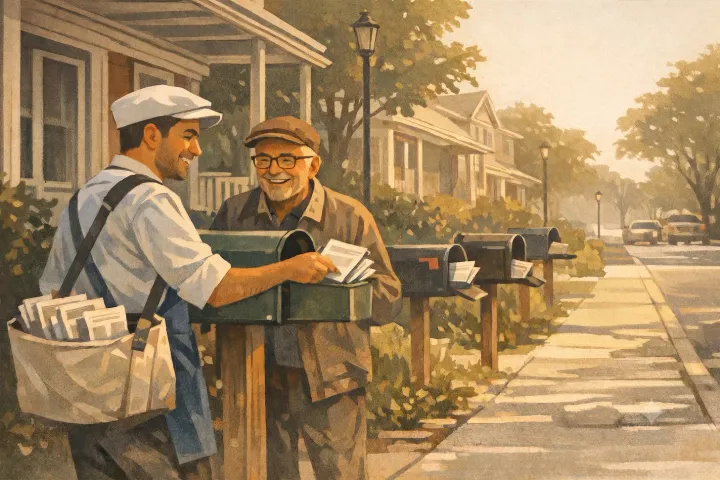
A subscriber is the difference between a stranger who happened to walk past and someone who now has your address. You don’t have to stand outside hoping they wander by again. You post something through their letterbox instead. That’s what a subscription is: a delivery.
Phase 5: The Shop Starts Pulling Its Own Foot Traffic
One you have enough regulars, something shifts. Walk past any shop with a real queue out the door and you will feel the pull. The crowd becomes part of the advertising reducing the dependency on Notes for visibility.
That is the shift: the shop that once needed you at the door begins drawing people in on its own. You are still inside doing the work; now you are no longer the only reason anyone walks in.
Getting from Phase 3 to Phase 5 isn’t a hack. It’s consistency, it is creating connections, trust and building your craft so when a stranger wanders in they find something worthwhile and subscribe.
Two Layers of Reach
Growth past “stand out front” operates on two separate mechanisms.
Layer one is the street. Walk down a row of tailors and you’ll find another two doors down. Specialities cluster together and it rare someone shopping for a fitted suit stops at a single store. The street exists because customers go there to shop. As writers, choosing your subject is choosing the street you set your shop on. That’s a direct choice made by you.
Layer two is the Substack profile a reader holds. You’ve experienced this before: buy hiking boots online and within minutes you’re being shown a tent. The reason for this is enough other people who bought boots also bought tents and the system noticed. On Amazon, that mechanism sits somewhere inside the system where we can’t see it. On Substack, it isn’t hidden and it sits on a reader’s profile: what they’ve read and who they subscribe to is in plain view.
If enough readers who subscribe to your newsletter also read another creator’s newsletter, Substack starts showing your newsletter to their readers.
This is closer to a literal mechanism than a metaphor. Sustack has described its system in terms of shared readership; when two publications overlap among readers, the platform can treat that overlap as a recommendation signal and show each audience more of the other publications work. The feed’s late-2025 rebuild leaned further into audience overlap between publications rather than pure follower count.
Both layers matter, and their effects compound. Being on the right street is what makes it likely you’ll end up on the right profiles in the first place. Your readers will overlap with other reader in your niche. Standing on the street handing out notes won’t create momentum by itself, but showing consistently, on the right street with the right audience, is what grows your profile.
What It All Means
At small scale, you are the main reason anyone walks in. That changes only when enough readers return, subscribe and overlap with adjacent audience for your Newsletter to start generating traffic on its own.
Thanks for reading! I build things with AI and share what I learn as I go. Subscribe. Its Free. Subscribe on Substack.